
Oprah Winfrey: The Journey of a Media Icon and Philanthropist
Oprah Gail Winfrey, born January 29, 1954, in Kosciusko, Mississippi, rose from poverty and adversity to become one of the most influential media figures and philanthropists in the world. As a talk show host, actress, producer, and entrepreneur, Winfrey transformed television, inspired millions, and built a legacy of empowerment and empathy.
Early Life and Challenges
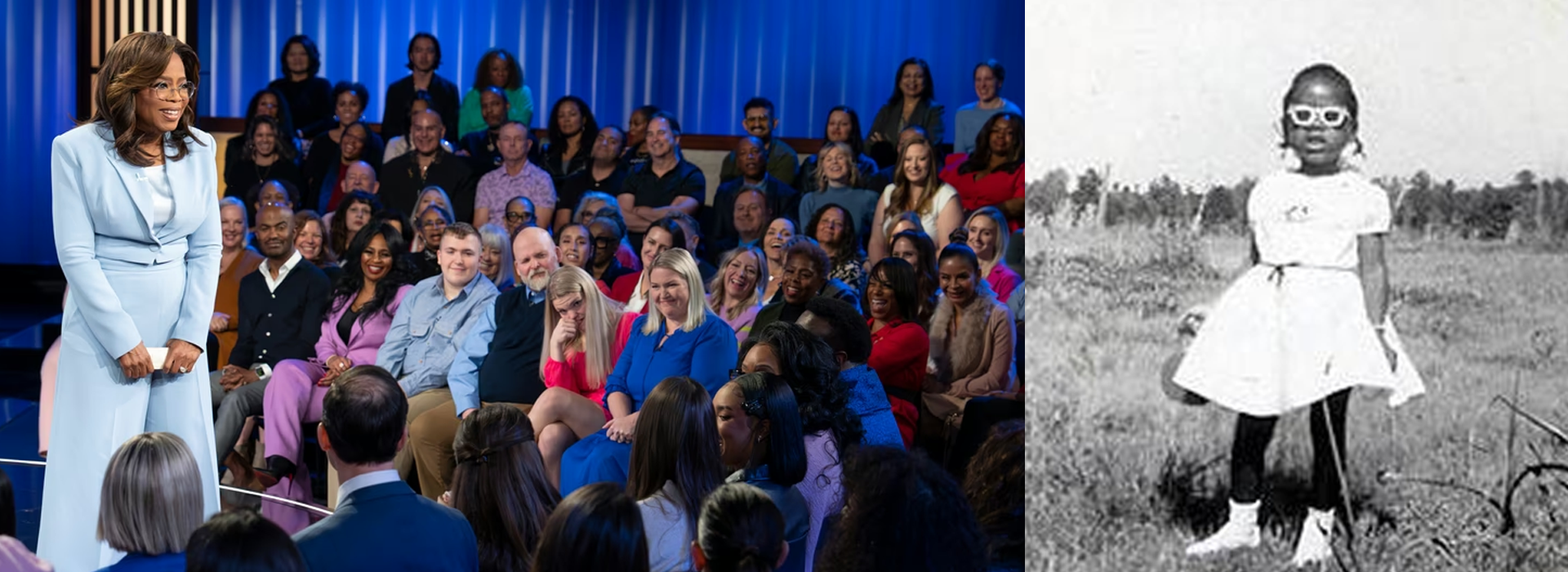
Oprah’s childhood was marked by hardship and instability. Born to teenage parents Vernita Lee and Vernon Winfrey, she spent her early years in rural poverty, often wearing dresses made from potato sacks. She moved frequently between her grandmother’s farm, her mother’s home in Milwaukee, and her father’s home in Nashville. These experiences instilled resilience and a deep empathy for the struggles of others.
Winfrey endured abuse and neglect during her adolescence, later reflecting: “Turn your wounds into wisdom.” Despite these challenges, she excelled academically and demonstrated a natural gift for public speaking, earning a scholarship to Tennessee State University, where she studied communications.
Breakthrough in Broadcasting
Oprah’s broadcasting career began in radio and local television. By age 19, she was co-anchoring the evening news at Nashville’s WLAC-TV, becoming the youngest and first African American woman to hold such a position in the market. Her warm, conversational style resonated with viewers and foreshadowed the qualities that would later define her talk show.
In 1976, Winfrey moved to Baltimore to co-host People Are Talking, a morning talk show that allowed her to connect personally with guests and audiences. She later remarked, “I had no idea what I was doing, but I knew that I loved it.”
The Oprah Winfrey Show: A Cultural Phenomenon
Oprah’s career skyrocketed in 1984 when she relocated to Chicago to host AM Chicago. Within months, her authentic, empathetic approach transformed the struggling program into the city’s highest-rated talk show. Two years later, it was nationally syndicated as The Oprah Winfrey Show.
Debuting in 1986, The Oprah Winfrey Show became the highest-rated talk show in television history, running for 25 years. Oprah’s blend of personal storytelling, audience engagement, and willingness to tackle sensitive topics—from childhood trauma to self-improvement—revolutionized daytime television. She famously said, “The biggest adventure you can ever take is to live the life of your dreams.”
The show’s “Oprah’s Book Club” turned authors into bestsellers, and her “Favorite Things” episodes generated frenzied consumer demand. Yet her most enduring contribution was fostering a culture of openness and self-discovery. “What I know for sure,” Oprah often said, “is that speaking your truth is the most powerful tool we all have.”
Acting and Production Ventures
Winfrey’s influence extended beyond television hosting. In 1985, she earned critical acclaim and an Academy Award nomination for her role as Sofia in The Color Purple, directed by Steven Spielberg. The film not only showcased her acting talent but deepened her commitment to stories centered on Black women’s experiences.
In 1986, she founded Harpo Productions (Oprah spelled backward), becoming the first African American woman to own a major studio. Harpo produced her talk show, films like Beloved (1998), and later, the acclaimed Selma (2014), in which Oprah also appeared. Her production company symbolized her philosophy of ownership and creative control: “Step out of the history that is holding you back. Step into the new story you are willing to create.”
Entrepreneurial Success and Philanthropy
Oprah’s ventures made her one of the wealthiest self-made women in the world. In 2000, she launched O, The Oprah Magazine, and in 2011, she founded OWN: The Oprah Winfrey Network. Her investments in Weight Watchers and other enterprises cemented her reputation as a savvy businesswoman.
Equally significant was her philanthropy. Oprah donated hundreds of millions to education and empowerment initiatives, including the Oprah Winfrey Leadership Academy for Girls in South Africa. Explaining her motivation, she said, “To move forward, you have to give back.”
Awards and Recognition
Throughout her career, Winfrey has received countless accolades: multiple Daytime Emmy Awards, the Presidential Medal of Freedom in 2013, and an honorary Academy Award for humanitarian work in 2011. In 2018, her Golden Globe Cecil B. DeMille Award acceptance speech, addressing truth and justice, sparked speculation about a potential presidential run.
Personal Philosophy and Legacy
Oprah’s philosophy emphasizes gratitude, intention, and self-awareness. She often encourages others to harness personal agency:
“Create the highest, grandest vision possible for your life, because you become what you believe.”
Her journey from poverty to global icon demonstrates the transformative power of resilience and authenticity. More than a media mogul, Oprah is a cultural touchstone whose impact transcends television. Her work has reshaped conversations about race, gender, spirituality, and self-empowerment, leaving an indelible mark on American and global culture.
As she once summarized: “The key to realizing a dream is to focus not on success but on significance—and then even the small steps and little victories along your path will take on greater meaning.”