

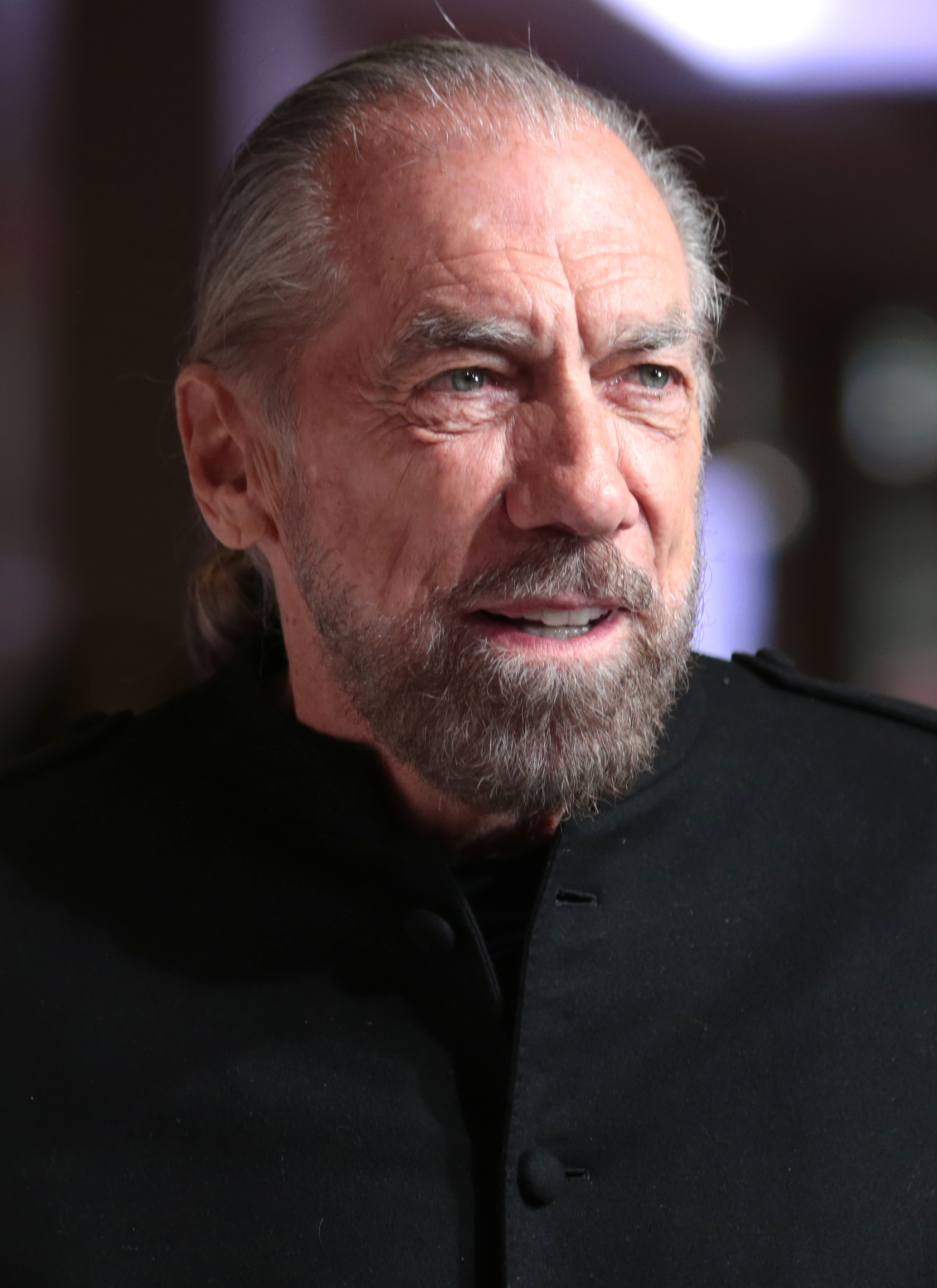
John Paul DeJoria: From Sleeping in Cars to Billionaire Entrepreneur
Early Life in Hardship
John Paul DeJoria was born on April 13, 1944, in Los Angeles, California, to immigrant parents—his father from Italy and his mother from Greece. His early years were defined by scarcity. His parents divorced when he was just two years old, and by the time he was nine, he and his older brother were selling Christmas cards and newspapers door-to-door to help make ends meet.
He grew up in a tough neighborhood where gangs were a constant presence. “It was the kind of place where, if you didn’t join a gang, you got beat up,” he recalled in an interview. His mother encouraged him to stay focused and out of trouble, famously telling him:
“In this country, you can do anything you want if you’re willing to work hard and never give up.”
Early Adulthood and First Setbacks
After high school, DeJoria joined the U.S. Navy. When his service ended, he drifted between jobs—janitor, insurance salesman, encyclopedia salesman—often living paycheck to paycheck. In his 20s, he married and had a young son, but the marriage fell apart. Soon after, he found himself unemployed and without a home.
“I was 22, had a two-and-a-half-year-old son, and we were living in my car,” he told Forbes. He parked wherever it was safe, sometimes staying in empty lots or quiet streets, always trying to shield his child from the worst of it. “The toughest part was trying to make him feel secure when I wasn’t sure what would happen the next day.”
Homeless Again
By the early 1980s, DeJoria had built some sales experience and landed a job at a haircare company. But in 1980, after being unexpectedly fired, he once again found himself without income or a home—this time living out of his car alone. He was broke, had limited prospects, and no safety net.
“Homelessness teaches you humility,” he later said. “It’s not a place you ever want to be, but it also makes you realize what’s important.”
Starting John Paul Mitchell Systems
It was during this second period of homelessness that DeJoria met hairstylist Paul Mitchell. The two decided to start a haircare company with a focus on high-quality salon products. They scraped together $700 to launch John Paul Mitchell Systems in 1980.
The early days were brutal. DeJoria sold products door-to-door to salons, living in his car between sales calls. Many salon owners turned him away, but he kept going, clinging to the belief that persistence would pay off. “I was told ‘no’ so many times, I learned not to take it personally,” he said. “I learned that every ‘no’ is one step closer to a ‘yes.’”
After months of relentless effort, they landed a few loyal clients, and the company began to gain traction. Their black-and-white packaging and professional-quality products stood out in the market, helping them slowly build a loyal following among stylists.
Breakthrough and Growth
Within a few years, John Paul Mitchell Systems went from selling door-to-door to becoming a multi-million-dollar brand. Today, it’s one of the largest privately owned haircare companies in the world, with products sold in over 100 countries.
DeJoria never forgot the lessons he learned during his homelessness. “When you’re sleeping in your car, you realize success isn’t about fancy things—it’s about being able to take care of yourself and the people you love,” he told Inc. magazine.
Expanding Beyond Haircare
In 1989, DeJoria co-founded The Patrón Spirits Company, introducing high-quality tequila to the U.S. market. At the time, tequila was seen as a cheap party drink, but Patrón changed the perception, becoming one of the best-selling premium tequila brands in the world.
His success in multiple industries made him a billionaire, but he has consistently emphasized that wealth should be used for good. “Success unshared is failure,” he often says.
Philanthropy Rooted in Experience
Having experienced homelessness firsthand, DeJoria has devoted significant time and resources to helping others in similar situations. He supports organizations like Food4Africa, Grow Appalachia, and Chrysalis, which helps homeless people find employment.
In 2018, he joined The Giving Pledge, committing to donate the majority of his wealth to charitable causes. His philanthropic philosophy is simple:
“We’re all in this together. If you make it, you have a responsibility to help others make it too.”
Lessons from the Hard Road
DeJoria’s rise from sleeping in cars to building billion-dollar companies is a classic American rags-to-riches story, but he insists the journey was never about money—it was about persistence, integrity, and belief in his vision.
“The difference between successful people and unsuccessful people is that successful people do all the things unsuccessful people don’t want to do,” he told Entrepreneur. “Even when it’s raining, even when they’re tired, they keep going.”
Legacy of Resilience
Today, John Paul DeJoria is recognized not only as a business icon but as a living example of resilience and generosity. His story serves as an inspiration to anyone facing hardship, showing that circumstances—even homelessness—don’t have to define your future.
In his own words:
“Homelessness didn’t break me. It built me. It taught me that I could survive with nothing—and that made me fearless.”
From selling Christmas cards as a boy to founding two global brands, DeJoria’s life is a testament to the power of perseverance, vision, and compassion. He remains proof that no matter how far you’ve fallen, it’s possible to rise again—and bring others with you.