

Tyler Perry: From Living in His Car to Entertainment Mogul
A Difficult Childhood
Tyler Perry was born Emmitt Perry Jr. on September 13, 1969, in New Orleans, Louisiana. His early years were marked by abuse, poverty, and emotional pain. He has spoken openly about the physical and verbal abuse he endured from his father and the sexual abuse he suffered from other adults in his life.
“I used to pray my father would just stop hitting me,” Perry told Oprah Winfrey. “That’s all I wanted, for the pain to stop.”
As a teenager, he changed his first name from Emmitt to Tyler to distance himself from his father, beginning a lifelong journey of self-reinvention and healing.
The Spark of Writing
In his early 20s, Perry was inspired to start writing after watching an episode of The Oprah Winfrey Show in which Oprah encouraged journaling as a way to process emotions. He began writing letters to himself, which evolved into stories and stage plays.
He poured his savings—$12,000 he had earned from odd jobs—into producing his first play, I Know I’ve Been Changed, in 1992. The show tackled themes of child abuse, forgiveness, and redemption. But the production failed, drawing small audiences and leaving him broke.
Homelessness and Relentless Faith
Following the play’s failure, Perry found himself with no money and no place to live. For several months, he lived out of his car in Atlanta, parking at the pay-by-the-week motels he could occasionally afford or sleeping in open lots.
“I was homeless, but I never felt hopeless,” he told Essence. “I knew if I could just keep going, somehow, it would all turn around.”
During this time, he continued reworking his play and performing it in small venues whenever he could scrape together enough money for a production. He held onto his faith, believing that his struggles were temporary.
Persistence Pays Off
For six years, Perry endured repeated failures and financial instability. Friends and family urged him to give up and get a “real job.” But in 1998, after another rewrite and a relentless marketing push, I Know I’ve Been Changed was staged at the House of Blues in Atlanta. This time, it was a hit.
Audiences connected deeply with his message of redemption and forgiveness, and word spread quickly. Perry began selling out theaters in Atlanta and across the South, creating a devoted fan base. His plays often featured gospel music, humor, and heartwarming family lessons—elements that would become his trademark.
From Stage to Screen
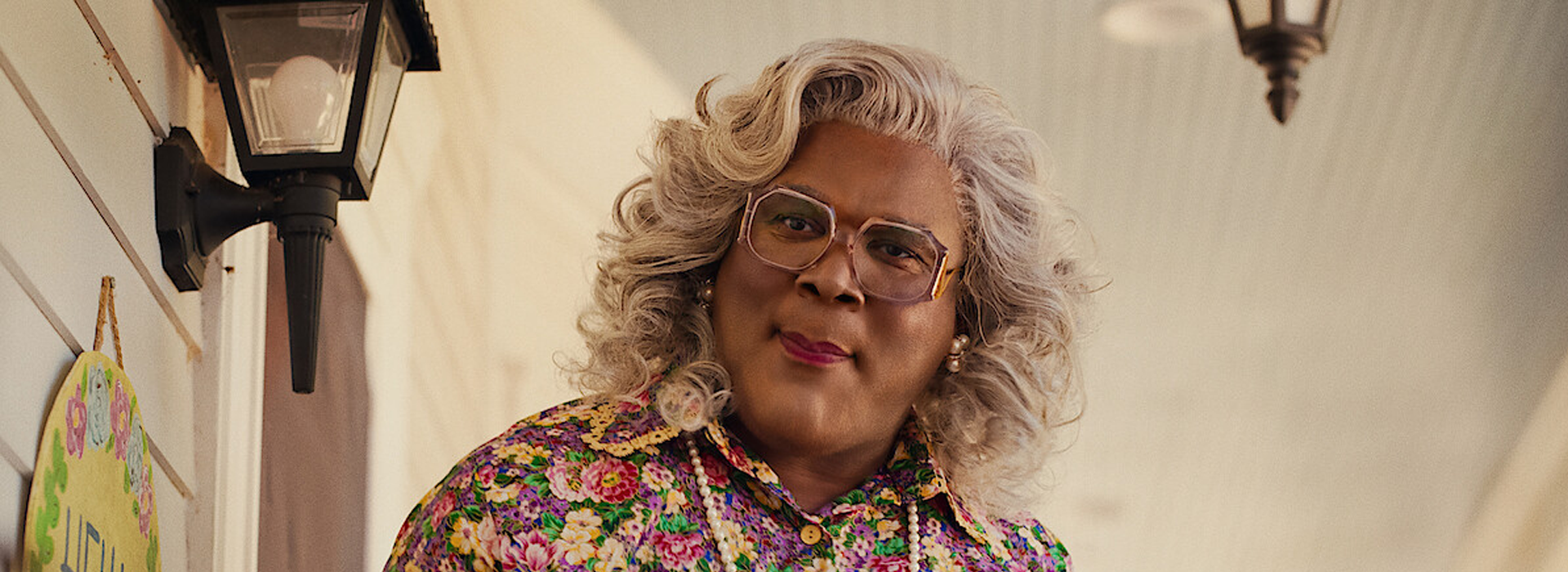
Perry’s stage success gave him the financial means to expand his work. In 2000, he introduced Madea, the tough-talking, gun-toting grandmother inspired by his mother and other strong women in his life. Madea became a cultural phenomenon.
In 2005, Perry adapted his stage work into his first feature film, Diary of a Mad Black Woman. Produced for $5.5 million, it grossed over $50 million at the box office. This success paved the way for a series of Madea films, television shows like House of Payne, and a multi-year production deal with TBS.
Building an Empire
By 2019, Perry had opened Tyler Perry Studios, a massive 330-acre film production facility in Atlanta built on a former Confederate army base. It became one of the largest film studios in the United States, hosting productions for Marvel, AMC’s The Walking Dead, and more.
Despite his vast success, Perry often reflects on his period of homelessness as a formative time. “I know what it’s like to be hungry, to not know where your next meal is coming from,” he told CBS News. “That’s why I work the way I do. I never want to go back there.”
Philanthropy Rooted in Struggle
Perry’s difficult past fuels his generosity. He has paid off strangers’ layaway bills during the holidays, donated millions to disaster relief, and supported charities for the homeless. In 2020, during the COVID-19 pandemic, he paid for groceries for seniors and at-risk shoppers at multiple grocery stores in Atlanta and New Orleans.
“When you’ve been in a position where you had nothing, you understand how important it is to help someone when they’re in need,” he says.
Lessons Learned from Hardship
Perry often emphasizes that his success is the result of persistence, faith, and an unwavering belief in himself even when others doubted him. “It doesn’t matter if you’re sleeping in your car,” he told Parade. “What matters is if you can see beyond where you are right now.”
His own words capture the heart of his journey:
“The harder the battle, the sweeter the victory. I wouldn’t trade the struggles because they made me who I am.”
Legacy of Resilience
Today, Tyler Perry is one of the most influential figures in entertainment, with a net worth exceeding $1 billion. Yet he remains grounded in the lessons of his past: humility, faith, and the importance of helping others rise. His life is proof that homelessness and hardship do not define a person’s destiny—they can, in fact, become the foundation for greatness.
From a car parked on Atlanta streets to running one of the largest film studios in the world, Perry’s story is a testament to resilience. As he often reminds his audiences:
“If you believe in your dream and you’re willing to work for it, no matter how bad it gets, you can make it.”