
Brian Tracy: From Scarcity to Success
Brian Tracy was born on January 5, 1944, in Charlottetown, Prince Edward Island, Canada. He grew up in a family burdened by persistent financial hardship. His father struggled to maintain steady employment, and his family was so poor that he and his brothers often relied on “charity clothes” to clothe themselves. Brian later recounted that, as a child, he constantly questioned why others enjoyed a more comfortable life while his family could not—an early spark of curiosity that would later fuel his drive toward success .
Despite these hardships, his parents instilled moral values and high ideals, though they could not provide financial security. Brian remembers hearing the refrain, “We can’t afford it, we have no money,” a phrase that echoed throughout his childhood and spurred his belief that he alone had to create a better future.
His early schooling was unremarkable, and by his teenage years, he chose to leave school and enter the workforce—starting with physically demanding labor and miscellaneous jobs. In these formative years, he honed a work ethic forged in necessity and learned the value of perseverance. One source notes he “navigated a variety of jobs, from dishwashing to labor‑intensive roles,” building practical know‑how and resilience along the way.
In his early twenties, Brian embarked on a transformative eight‑year odyssey. He left Canada, traveling across North America, then by ship to Europe, and overland through France, Spain, through the Sahara desert, eventually reaching South Africa, India, Southeast Asia, and beyond—visiting more than 80 countries. During this time, he worked various jobs, even partnering with Dr. Albert Schweitzer in South Africa, and trained in Shotokan Karate—earning a black belt. The travels tested him in hardship and diverse environments, deepening his self‑reliance and worldview.
Returning to North America, he transitioned into sales—a realm where his newfound skills and determination paid off. Initially inexperienced, he learned from seasoned professionals and quickly rose to become the company’s top salesperson within a year, and shortly thereafter, at around age 25, he was promoted to vice president
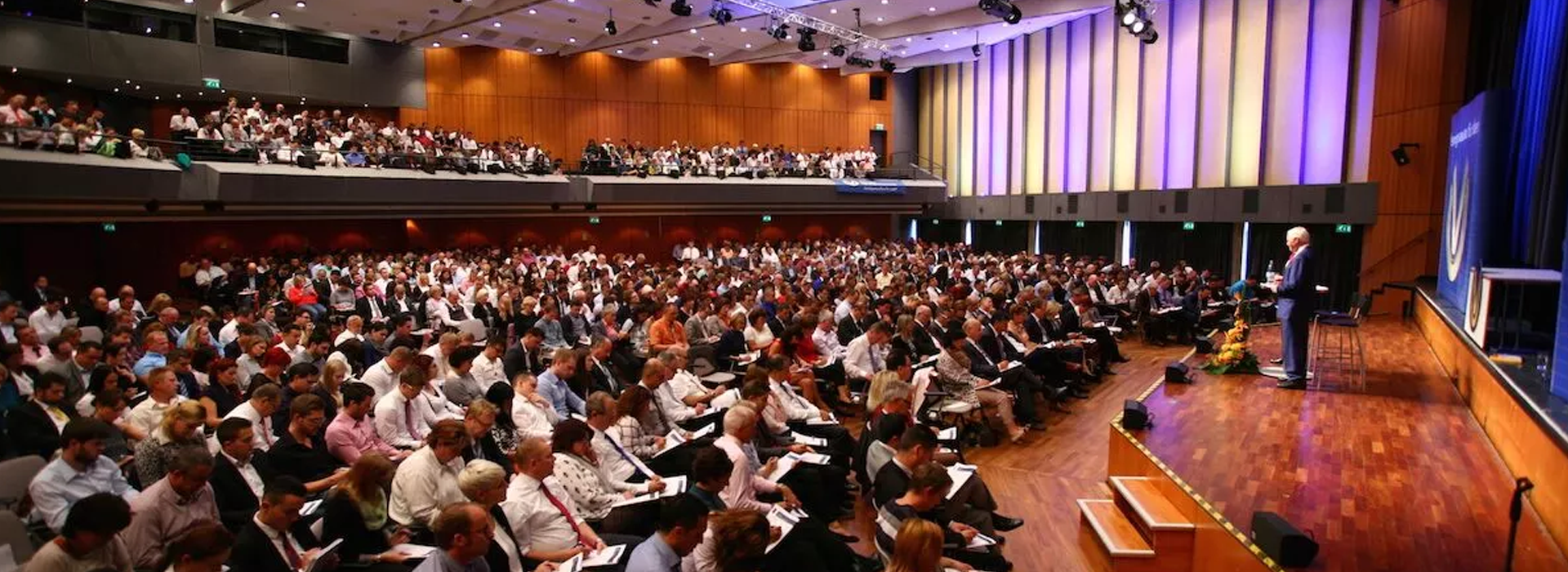
Brian Tracy channeled his cumulative experiences into a broader mission. In 1981, he launched The Phoenix Seminar, later rebranded as The Psychology of Achievement, and turned it into an audio‑cassette series that resonated globally, eventually being translated into multiple languages. By 1984, he founded Brian Tracy International, headquartered today in San Diego, California, offering guidance in goal-setting, leadership, sales strategy, self-esteem, and creativity
Over the decades, Brian has authored over 80 books, with celebrated titles including Eat That Frog!, No Excuses! The Power of Self‑Discipline, The Psychology of Selling, and Maximum Achievement His writings have inspired millions worldwide and have been translated into dozens of languages
Early Hardships and the Turning Point
Brian Tracy’s early life was shaped by real scarcity. His family relied on charity, and luxuries were unimaginable. He faced hunger, malnutrition, and had to make do with whatever came his way . Moreover, he dropped out of school in search of a way out of the financial constraints that bound his family .
His experiences during this time instilled in him the belief that “he was the only one who could change his life,” and that belief became the cornerstone of his philosophy. His self‑education via extensive reading—books on psychology, business, self‑help—began early and cemented a lifelong habit.
Quotes from Brian Tracy
His teachings offer insights that reflect his journey from hardship to achievement. A few enduring quotes include:
- “The person we believe ourselves to be will always act in a manner consistent with our self‑image.”
- “Successful people are always looking for opportunities to help others. Unsuccessful people are always asking, ‘What’s in it for me?’
- “You have within you right now, everything you need to deal with whatever the world can throw at you.”
- From his writings: “Self‑discipline is the ability to do what you should do, when you should do it, whether you feel like it or not.
- And: “Goals are the fuel in the furnace of achievement. The bigger your goals and the clearer they are, the more excited you become about achieving them.”
These reflect how his early adversity shaped his core messages: self-belief, resilience, self-discipline, and goal clarity.
Summary
Brian Tracy’s life story illustrates a powerful transformation:
- Born into poverty and food insecurity in Charlottetown, Prince Edward Island
- Endured familial financial hardship—clothes from charity, school dropout
- Spent eight years traveling the world and working diverse, often grueling jobs
- Returned to North America, excelled in sales, quickly ascending to VP by his mid-20s
- Founded Brian Tracy International and became a leading voice in self-development
- Authored over 80 books and continues to inspire millions
His message—rooted in his own experience—is simple: no matter how dire your starting point, with self-discipline, clarity, and perseverance, you can reshape your destiny.