

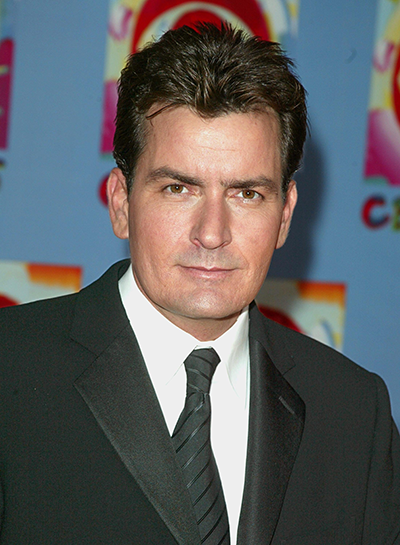
Charlie Sheen: From Hollywood Heights to the Brink—and Back
Early Stardom and Rapid Rise
Born Carlos Irwin Estévez on September 3, 1965, in New York City, Charlie Sheen was destined for the spotlight. His father—Martin Sheen—was already a respected actor, and Charlie followed suit. He appeared first as a child extra and rose to prominence with standout roles in Platoon (1986), Wall Street (1987), and Major League (1989) (Cash Roadster, Wikipedia).
By the early 2000s, his fame peaked when he starred as the irreverent Charlie Harper in Two and a Half Men, earning a staggering $1.8 million per episode (Wikipedia). At that time, his net worth was estimated at $150 million (thebiographybytes).
The Fall: Addiction, Recklessness, and Near Homelessness
However, this success coincided with self-destructive behavior. Public spats, escalating substance abuse, and erratic media appearances culminated in his ousting from the sitcom in 2011 (Vanity Fair). The fallout—legal battles, costly settlements, and lavish spending—rapidly drained his finances.
Eventually, Sheen found himself in dire financial straits, facing debts and mortgage challenges. Media reports say he was “nearly homeless,” with properties headed toward foreclosure despite his former fortune (healthdor.com, Celebrity Net Worth). The Biography Bytes notes that his net worth had plummeted to around $3 million by mid‑2025 (thebiographybytes).
Hitting Rock Bottom—Then Recovery
Struggling with substance abuse and health crises, Sheen began his road to recovery. He embraced sobriety, sought professional help, and gradually prioritized health and stability over fame (healthdor.com). His public acknowledgment of his HIV-positive status in 2015 also marked a shift from tabloid fodder to advocacy, sparking a national rise in HIV awareness—in what’s become known as the “Charlie Sheen effect” (Wikipedia).
Reflections in His Own Words
Sheen’s public persona has always been outspoken—even in moments of vulnerability. Among his many memorable quips:
“I don’t believe in rock bottom. Rock bottom is like a fishing term.” (hilariousjokesworld.com, azquotes.com)
Beyond bravado, this speaks to a refusal to define oneself by hardship, a theme reflected in his later journey toward sobriety and renewal.
A Story of Resilience
Charlie Sheen’s life arc—child star, Hollywood golden boy, public meltdown, near homogenization, and eventual survival—is a volatile testament to both fame’s fragility and human resilience.
-
Early triumph: Star roles in iconic ’80s films and a leading role in a chart-topping sitcom.
-
The crash: Self-inflicted controversies led to firing, financial ruin, and whispers of homelessness.
-
Rebuilding: Turning point through sobriety, health awareness, and new priorities.
-
Awareness: Leveraging his experiences—especially with HIV—to elevate public conversation.
Legacy in Perspective
From achieving unimaginable wealth to facing collapse, Charlie Sheen’s life underscores that success alone isn’t a safeguard. His candidness—both comedic and confessional—has enabled him to reclaim some agency over his narrative.
As one of his signature lines puts it: “I don’t believe in rock bottom.” Maybe he’s right—because every fall is still part of who we become.