
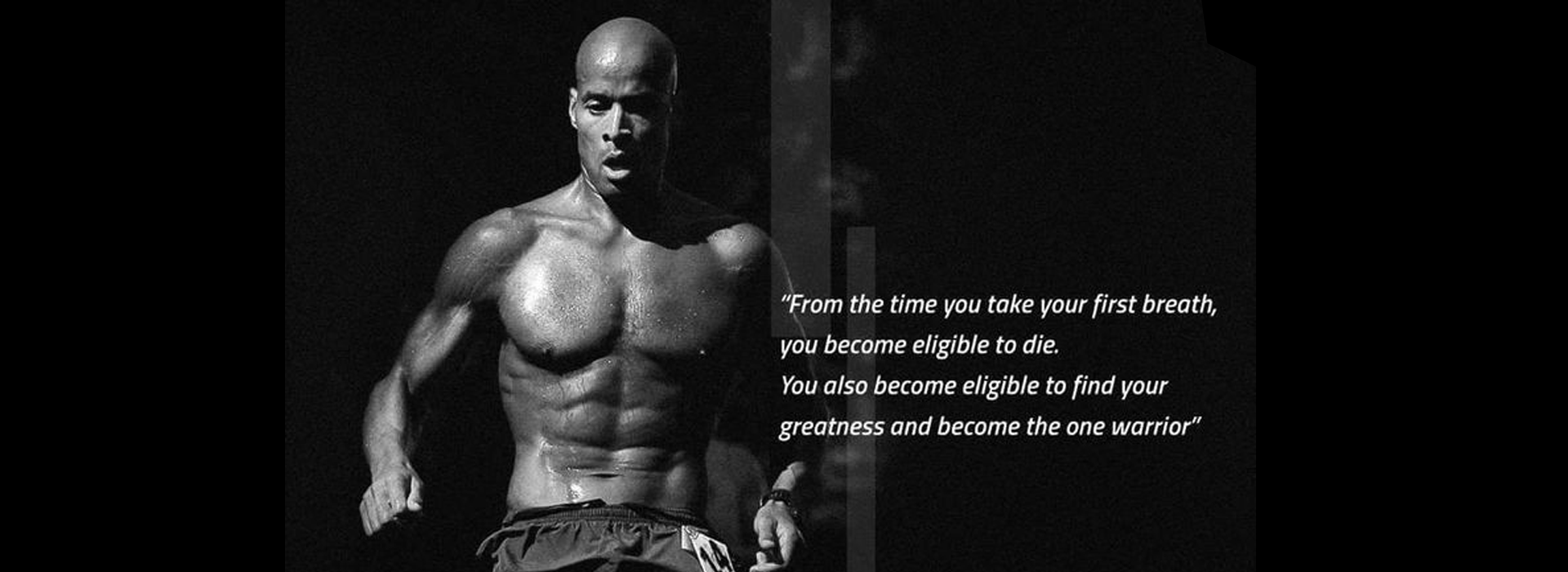
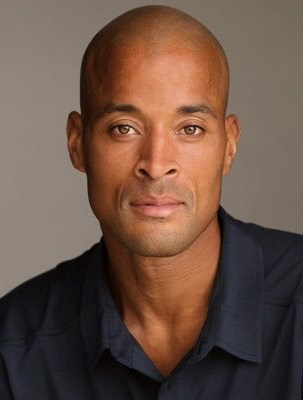
David Goggins: From Homelessness to the World’s Toughest Man
A Childhood in Chaos
David Goggins was born on February 17, 1975, in Buffalo, New York. His early life was marked by abuse, instability, and poverty. His father, Trunnis Goggins, owned a skating rink but was violent and controlling, often beating David, his mother, and his brother. By age eight, David had endured physical and emotional trauma that would haunt him for years.
When his mother finally fled with him to escape the abuse, they had nothing. They moved into a small apartment in a dangerous neighborhood, living hand-to-mouth. Goggins later described this period as formative, saying:
“I learned early that life wasn’t going to be fair, but it was my responsibility to make something of it.”
Struggles with Learning and Discrimination
Goggins struggled in school, partly due to undiagnosed learning disabilities including ADHD and a speech impediment. He was placed in special education classes and frequently felt like an outsider. On top of that, he faced racism in his predominantly white school and neighborhood.
He recalled in his memoir Can’t Hurt Me:
“I was the only Black kid in my class. I was called every name in the book. Every day was a fight—sometimes literally—to prove I belonged.”
The combination of academic challenges, poverty, and prejudice eroded his confidence.
Young Adulthood and Drifting
After high school, Goggins had no clear path. He worked low-paying jobs and lived with his mother, struggling to find purpose. For a time, they were on the edge of homelessness, barely making rent. The financial strain and lack of direction pushed Goggins into a deep depression.
“I had no goals. I was just existing,” he told Men’s Health. “I knew I was capable of more, but I was trapped in my own excuses.”
The Air Force Dream and Setback
Seeking a way out, Goggins joined the U.S. Air Force, hoping to become a pararescueman. But a diagnosis of sickle cell trait forced him out of training, and he spent the rest of his enlistment in less demanding roles. Disappointed, he left the Air Force and drifted back into civilian life without a plan.
He worked as an exterminator, spraying for cockroaches and rodents in restaurants. The work was grueling and paid little, leaving him broke and unmotivated. “I hated my life,” he later said. “I was 300 pounds, depressed, and going nowhere.”
A Turning Point
One night, after coming home exhausted and covered in chemicals from his exterminator job, Goggins watched a documentary on Navy SEALs. Something clicked. He decided to change his life completely and attempt the near-impossible: qualifying for SEAL training.
At the time, he was obese and had just three months to meet the weight requirements. He pushed himself through an extreme diet and exercise regimen, losing over 100 pounds in that short span. “I told myself, ‘You can quit and be homeless in your own mind forever, or you can face the pain and change.’”
Hell Week and SEAL Training
Goggins went on to become the only member of his Navy SEAL training class to complete Hell Week three times—due to injuries and restarts—and later graduated with Class 235. He also served in the Army Rangers and Air Force Tactical Air Control Party, making him one of the few people to have completed training in all three elite forces.
His military career pulled him permanently out of financial instability and gave him the discipline and focus that had been missing since childhood.
From Military to Ultra-Endurance Legend
After retiring from the military, Goggins turned to ultra-endurance events to raise money for the Special Operations Warrior Foundation, which provides scholarships to children of fallen soldiers. He ran 100-mile races, completed multiple Ironman triathlons, and broke the Guinness World Record for most pull-ups in 24 hours.
These feats were about more than physical endurance—they were an extension of the mental resilience he’d built since his homeless and directionless youth.
“You are in danger of living a life so comfortable and soft that you will die without ever realizing your true potential,” he says.
Reflections on Homelessness and Struggle
Goggins often speaks about how growing up in near-homeless conditions and without financial stability shaped him. In Can’t Hurt Me, he wrote:
“When you’ve had nothing, you stop being afraid of losing everything. That’s freedom. That’s power.”
He uses his story to inspire others, emphasizing that adversity can be a gift if you choose to confront it. “I’m not special,” he says. “I just decided to do the things that scared me and hurt me the most.”
Author and Motivational Speaker
In 2018, Goggins released his memoir Can’t Hurt Me: Master Your Mind and Defy the Odds, which became a bestseller and inspired millions worldwide. He shares his philosophy of “callousing the mind” through hard work, discomfort, and relentless self-discipline.
He has since become one of the most sought-after motivational speakers in the world, addressing corporations, athletes, and military units.
Legacy of Resilience
David Goggins’s journey—from an abusive home and near-homelessness to Navy SEAL, ultra-athlete, and bestselling author—is a testament to the power of personal transformation. His life proves that one can rise from the lowest circumstances through sheer willpower and self-mastery.
As he often says:
“Don’t stop when you’re tired. Stop when you’re done.”
His story continues to inspire anyone facing hardship, showing that your past does not define your future—your mindset does.