
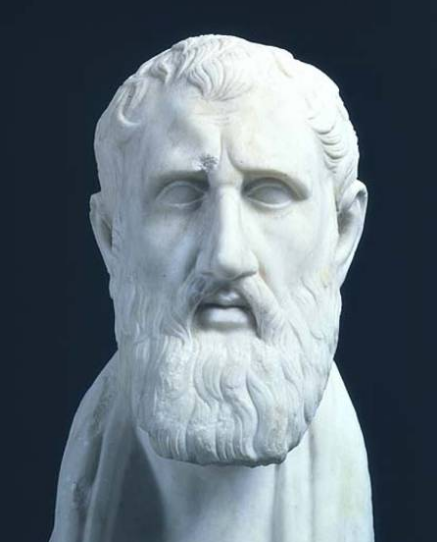
Stoicism: A Philosophy of Enduring Wisdom
Stoicism is an ancient Greek philosophy founded in Athens around 300 BCE by Zeno of Citium. Though over two thousand years old, its teachings remain remarkably relevant today, offering practical guidance for living a rational, virtuous, and resilient life. At its core, Stoicism is not about suppressing emotion or withdrawing from the world, but about cultivating inner strength, aligning with nature, and focusing on what is truly within our control.
The central principle of Stoicism lies in distinguishing between what we can control and what we cannot. According to the Stoics, we cannot govern external events, other people’s actions, or even many outcomes in our lives. What we can control, however, are our judgments, choices, and attitudes. By directing energy toward our own character and responses rather than external circumstances, we achieve freedom from needless anxiety and frustration. As Epictetus, one of the most influential Stoic teachers, wrote: “It’s not what happens to you, but how you react to it that matters.”
Virtue, for the Stoics, is the highest good and the ultimate goal of life. Virtue encompasses wisdom, courage, justice, and temperance—the four cardinal virtues. These provide a moral compass for navigating life’s challenges. A virtuous life, lived in harmony with reason and nature, leads to eudaimonia, often translated as human flourishing or fulfillment. In this sense, Stoicism is both an ethical system and a practical guide for daily living.
Another hallmark of Stoicism is its emphasis on perspective. The Stoics taught that much of human suffering arises not from events themselves, but from our interpretation of them. By practicing rational reflection, reframing difficulties as opportunities for growth, and accepting the impermanence of life, we can maintain equanimity in the face of hardship. This mindset is encapsulated in the Stoic practice of amor fati, or “love of fate,” which encourages embracing all experiences, pleasant or painful, as necessary parts of life’s unfolding.
Stoic thinkers also stressed the importance of preparing for adversity. Through exercises such as negative visualization—imagining potential losses or difficulties—we strengthen our resilience and appreciate the present. This proactive approach helps diminish fear of the future and cultivates gratitude for what we already possess. At the same time, Stoicism emphasizes compassion and responsibility toward others. Since humans are rational and social beings, living virtuously means contributing to the well-being of the community and treating others with fairness and respect.
The legacy of Stoicism has endured across centuries, influencing Roman statesmen like Seneca, Emperor Marcus Aurelius, and countless thinkers in modern times. Today, its lessons are applied in psychology, particularly cognitive-behavioral therapy (CBT), which shares Stoicism’s insight that changing thought patterns can change emotional responses. Many leaders, athletes, and everyday people turn to Stoic principles for clarity and resilience in uncertain times.
Ultimately, Stoicism is a philosophy of empowerment. It does not promise to eliminate life’s challenges, but it offers tools to face them with wisdom, courage, and serenity. By focusing on what is within our control, living in accordance with virtue, and embracing life as it is, Stoicism provides a timeless path to inner freedom and enduring peace.